
كيفية قياس الستائر
يبدأ تحديد مقاس الستائر من القضيب، وليس من النافذة. استخدم الأداة أدناه، أو اتبع الدليل الكامل خطوة بخطوة للحصول على العرض والامتلاء والطول المناسب للستائر المصممة حسب المقاس. هل تقيس ستائر رول أو ستائر رومانية أو خلوية أو ستائر حمار وحشي بدلًا من ذلك؟ فهذه طريقة مختلفة — راجع كيفية قياس ستائر.


تعليمات قياس الستائر
-
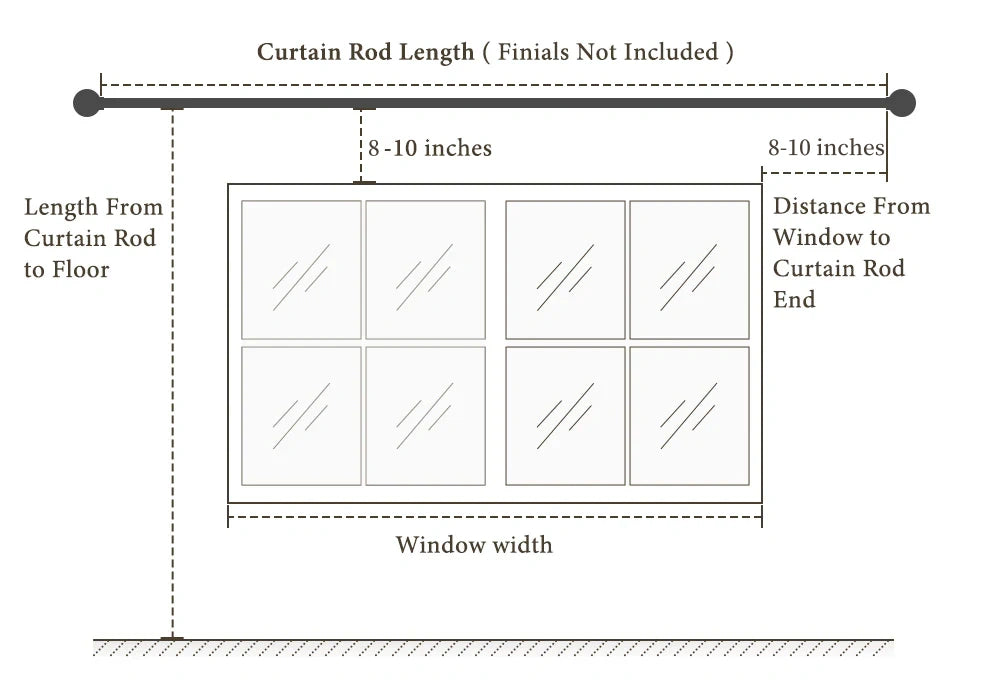
الخطوة 1: قياس عرض قضيب الستارة ومكانه
إذا قمت بتركيب قضيب الستارة، قم بقياس طول القضيب.
إذا لم يتم تركيب قضيب الستارة، تحقق أولاً من المكان الذي سيتم فيه تركيب القضيب فوق وإلى جانبي إطار النافذة. ضع في اعتبارك مدى ارتفاع القضيب الذي تريده لتحقيق التأثير البصري المرغوب.
-

الخطوة 2: تعرف على معيار EASEEASE للامتلاء الكامل
رؤوس الطيات المطوية، طية التموج، والطية الفرنسية المزخرفة
لمنع الستائر من الظهور مسطحة مثل قطعة قماش مشدودة، من المهم إضافة امتلاء لزيادة العرض. نستخدم امتلاء بنسبة 200-250% من القماش لإنشاء الطيات، مما يضمن أن تبدو الستائر غنية وفاخرة.
- امتلاء 2x للطية المزدوجة والطية الفرنسية المزخرفة
- امتلاء 2.3x - 2.5x للطية الثلاثية وطية التموج
رؤوس أخرى
الامتلاء الافتراضي هو 1 (أو 100%)، ثم يجب أن تأخذ في الاعتبار مضاعفة الامتلاء بنسبة 150-200% للعرض النهائي المقاس. امتلاء 150% سيعطي مظهراً أكثر تفصيلاً، بينما امتلاء 200%، وهو الموصى به، سيخلق مظهراً أكثر غنى.

-

امتلاء 1.0X
-

امتلاء 1.5X
-

امتلاء 2.0X


رأس مطوي
عرض كل لوحة عند خياطة الطيات = العرض الذي طلبته
- على سبيل المثال، إذا كان قضيب الستارة بطول 100"، فستطلب لوحتين، كل لوحة بعرض 50" لنمط رأس الطيات.
- يُقاس عرض لوحة الستارة من أول طية على اليسار إلى آخر طية على اليمين عندما تكون الستارة ممتدة بالكامل، وليس عندما تكون مطوية.
- يُقاس الطول من الأعلى إلى الأسفل للستارة.
- امتلاء القماش: مزدوج 200%، ثلاثي 230%-250%
- عند الطي، سيكون عرض الستارة حوالي 15~20% من العرض الذي طلبته.
- الطيات مخيطة في مكانها ولا يمكن تعديلها.

طيّة تموجية
- العرض النهائي بالبوصة = العرض الذي طلبته
- العرض الذي تحدده سيكون العرض النهائي مع تموجات الموجة.
- يقيس العرض النهائي لوح الستارة بعد تشكيل طيات التموج، وليس عندما يكون القماش مشدودًا بالكامل.
متوفر كلوح واحد أو زوج، على سبيل المثال، عندما يكون طول المسار 100":
- إذا اخترت لوحًا وحددت العرض 100"، ستتلقى لوح ستارة واحد بعرض 100 بوصة (العرض النهائي بعد إنشاء التموجات).
- امتلاء القماش: 250%
- 10-15 بوصة عند التكديس (يُحسب 20-30% من عرض اللوح الذي طلبته)
- يُقاس الطول من الخطاف على المسار إلى الأسفل.

رأس جروميت
عرض اللوح الواحد عند الامتداد الكامل = عرض طلبك
- على سبيل المثال، إذا كان طول قضيبك 100 بوصة، لنمط رأس الحلقات، إذا اخترت كثافة 2x وألواح مقسمة، فإن العرض الإجمالي الذي تحتاجه هو 100” * 200% = 200”، ثم تحتاج إلى طلب لوحين، كل منهما بعرض 100 بوصة.
- يجب قياس الطول من أعلى القضيب إلى نقطة النهاية المفضلة لديك.
- قطر الحلقة الداخلي 1.6 بوصة.
- الكثافة الموصى بها للقماش: 200%
- يأخذ العرض المكدس حوالي 20% من عرض اللوح بعد الطيات.

رأس علوي ناعم
عرض كل لوحة عند التمدد الكامل = العرض الذي طلبته
- يشمل ذلك الشريط الخلفي، جيب العصا، ورأس الشريط العلوي
- على سبيل المثال، إذا كان قضيب الستارة الخاص بك طوله 100" وتريد كثافة 200% للطيّات، اطلب لوحتين. يجب أن يكون عرض كل لوحة 100" ليصبح المجموع 200" لنمط رأس الشريط العلوي الناعم.
- يُقاس الطول من أعلى القضيب إلى أسفل الستارة.
- الكثافة الموصى بها للقماش: 200%.
- عند تكديس الستائر، سيقل عرض الستارة إلى حوالي 15–20% من العرض الذي طلبته.
العثور على المقاس المثالي

أسفل الستارة
يشير إلى طول الستائر — أي الطريقة التي تنسدل بها ستائرك إلى الأرض عند قياسات مختلفة.
- بوصة واحدة فوق الأرض
تتدلى الستائر على ارتفاع بوصة واحدة فوق الأرض، ما يمنحها مظهراً نظيفاً ومرتباً. كما يسهل تنظيف الأرضية بالمكنسة الكهربائية، وتقل احتمالية تجمع الغبار أو شعر الحيوانات الأليفة أو الأوساخ عليها. خيار ممتاز للمنازل كثيرة الانشغال. - ملامسة الأرض
تصل الستائر إلى طول الأرضية وتلامس سطحها برفق، ما يمنحها مظهراً انسيابياً وأنيقاً. - تجمع خفيف على الأرض
تمتد الستائر بوصة واحدة على الأرض، لتشكّل تجمعاً ناعماً ومقصوداً بدلاً من أن تتدلى باستقامة. لا يُنصح بهذا الخيار للستائر التي تُفتح وتُغلق كثيراً، إذ يمكن أن يتجمع الغبار على القماش الزائد بسهولة أكبر.

ظهر تجمّع الستارة
عرض التراكم الجانبي
- يسمح تقليل عرض التراكم الجانبي للستائر بأن تتجمع إلى الجانب ولا تكاد تلامس النوافذ أو الأبواب المنزلقة، مما يتيح أقصى قدر من الضوء والرؤية.
عمق التراكم الجانبي
- يضمن ترك مساحة كافية مع مراعاة عمق التراكم الجانبي مظهراً أنيقاً للستائر بحيث تتناسق تماماً مع أي ملحقات، بما في ذلك القضيب وصندوق الكورنيش.
ملاحظة:
- يبلغ عرض التراكم الجانبي عادةً نحو 10%-15% من عرض اللوحة التي تطلبها. وهذه نسبة تقديرية وقد تختلف حسب نمط الحافة السفلية، والقماش، والبطانة، وملحقات الستائر الأخرى.
عمق تكديس الستارة للخلف حسب نمط رأس الستارة
| نمط رأس الستارة | |||||
|---|---|---|---|---|---|
| عمق التكديس الخلفي |
نصائح وحيل ستائر EaseEase
عرض الكل-

كيفية أخذ مقاسات الستائر: طريقة مصمّم لا تبدأ من النافذة
طريقة تعتمد على الجدار أولًا لقياس الستائر قبل تركيب القضيب: كيفية تحديد العرض والتحقق من تغطية حجب الضوء، وكيف تحدد الزخارف ارتفاع التركيب، ولماذا تحتاج الأبواب الزجاجية المنزلقة إلى قماش...
كيفية أخذ مقاسات الستائر: طريقة مصمّم لا تبدأ من النافذة
طريقة تعتمد على الجدار أولًا لقياس الستائر قبل تركيب القضيب: كيفية تحديد العرض والتحقق من تغطية حجب الضوء، وكيف تحدد الزخارف ارتفاع التركيب، ولماذا تحتاج الأبواب الزجاجية المنزلقة إلى قماش...
-

لماذا تتشقق وتتقشر بطانات الستائر العاتمة؟ دليل الطلاء مقابل بطانة القماش لأشعة الشمس الأسترالية
نقارن بين الطلاءات الأكريليكية والبولي يوريثان والسيليكون مع الأقمشة ثلاثية النسج والبطانات القابلة للفصل — ونشرح ما الذي يجب شراؤه بدلاً من ذلك.
لماذا تتشقق وتتقشر بطانات الستائر العاتمة؟ دليل الطلاء مقابل بطانة القماش لأشعة الشمس الأسترالية
نقارن بين الطلاءات الأكريليكية والبولي يوريثان والسيليكون مع الأقمشة ثلاثية النسج والبطانات القابلة للفصل — ونشرح ما الذي يجب شراؤه بدلاً من ذلك.
-

سلكي أم لاسلكي؟ بمحرك أم يدوي؟ مثقاب أم بدون مثقاب؟ الدليل الكامل لاختيار الستائر
سلكي مقابل لاسلكي، محرك مقابل يدوي، مثقاب مقابل بدون مثقاب: قواعد قرار واضحة لاختيار الظلال المناسبة، بناءً على آلاف الطلبات المخصصة الحقيقية.
سلكي أم لاسلكي؟ بمحرك أم يدوي؟ مثقاب أم بدون مثقاب؟ الدليل الكامل لاختيار الستائر
سلكي مقابل لاسلكي، محرك مقابل يدوي، مثقاب مقابل بدون مثقاب: قواعد قرار واضحة لاختيار الظلال المناسبة، بناءً على آلاف الطلبات المخصصة الحقيقية.
-

ستائر النوافذ المثلثة: حالات حقيقية + كيفية تغطية نافذة مائلة
النوافذ المثلثة تجعل أصحاب المنازل يشعرون بالتوتر، لكن لا داعي لذلك. يوضح هذا الدليل خطوة بخطوة ثلاث حلول ستائر مخصصة (خلايا النحل، الرول، الخلوية) تناسب فعليًا الإطارات المقوسة والمثلثة، مع...
ستائر النوافذ المثلثة: حالات حقيقية + كيفية تغطية نافذة مائلة
النوافذ المثلثة تجعل أصحاب المنازل يشعرون بالتوتر، لكن لا داعي لذلك. يوضح هذا الدليل خطوة بخطوة ثلاث حلول ستائر مخصصة (خلايا النحل، الرول، الخلوية) تناسب فعليًا الإطارات المقوسة والمثلثة، مع...


